
Executive hiring has become far more difficult, not because experienced leaders are missing, but because experience itself is harder to evaluate.
A decade ago, companies hired leaders based on similar industries, teams, or revenue scales. Past success was seen as a reliable indicator of future success.
That logic is weakening.
Markets shift faster, businesses evolve constantly, and leadership today is less about experience alone and more about relevance.
And relevance expires quickly.
The “Career Inflation” Problem

One challenge companies rarely discuss openly is that executive profiles have become increasingly polished.
Senior leaders today have stronger personal branding, larger LinkedIn influence, podcast appearances, conference panels, and highly optimized leadership narratives. On paper, many candidates appear almost identical at the top level.
That makes differentiation much harder.
Boards are finding it difficult to separate genuine strategic capability from well-managed executive image-building. In some cases, companies only discover gaps after hiring — when the leader has to operate without strong market conditions, inherited momentum, or large support systems already in place.
The executive market rewards visibility heavily now.
But visibility and leadership depth are not always the same thing.
Companies Are Hiring for Comfort Instead of Change
A hidden problem in leadership hiring is that organizations often choose executives who feel familiar.
That usually means:
- Similar career paths
- Predictable communication styles
- Resumes that resemble previous successful hires
- Leaders who create confidence quickly in boardrooms
The problem is that stable-looking leaders are not always transformation leaders.
Some executives are excellent at maintaining systems but struggle when the business needs difficult restructuring, aggressive reinvention, or uncomfortable decisions. Companies say they want transformation, but many hiring processes still reward predictability.
In unstable markets, that becomes risky.
Sometimes the right leader is not the one who protects the old system best — but the one willing to challenge it early enough.
Executive Burnout Is Quietly Entering the Hiring Market
Another factor making leadership hiring harder is that many senior executives are simply exhausted.
Leadership roles today carry constant pressure:
- Faster transformation cycles
- Continuous investor scrutiny
- Public visibility across social platforms
- Internal pressure from employees and boards simultaneously
As a result, companies are increasingly interviewing leaders who are experienced but mentally drained.
The difficult part is that executive burnout rarely appears during interviews. Senior leaders are trained communicators. They know how to project confidence even when energy, motivation, or sharpness has declined over time.
This creates a growing risk for businesses.
Companies may hire executives based on past intensity without realizing the leader no longer wants to operate at that level anymore.
Internal Politics Is Becoming More Dangerous Than Competition
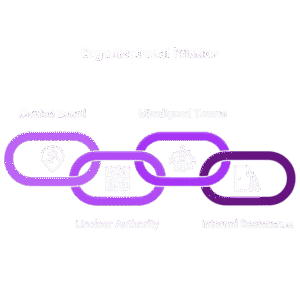
Many leadership failures today are not caused by capability gaps.
They are caused by organizational friction.
An executive can be highly competent and still fail because:
- The board is divided
- Decision-making authority is unclear
- Leadership teams are internally misaligned
- The company wants change publicly but resists it privately
This is why executive hiring is no longer only about evaluating the candidate.
Strong companies are starting to evaluate themselves too.
Can the organization actually support the kind of leader it claims to want? Will the executive be allowed to make difficult decisions? Or will every major move face internal resistance?
A surprising number of leadership hires fail because the environment itself was incompatible from the beginning.
Short-Term Pressure Is Distorting Leadership Selection
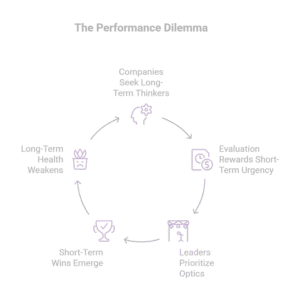
Another major shift is the shrinking patience companies have for executive impact.
Boards increasingly expect visible results within extremely short timelines. That pressure changes hiring behavior. Leaders who promise aggressive transformation and rapid change often sound more attractive during interviews than leaders focused on slower, sustainable execution.
But fast visible wins and long-term business health are not always aligned.
In some cases, executives prioritize optics because they know they are being measured immediately. Cost-cutting, restructuring, and headline-driven decisions can create short-term performance while weakening the organization later.
This creates a dangerous hiring pattern: Companies say they want long-term thinkers, but their evaluation process rewards short-term urgency.
Strong Executives Are Interviewing Companies Too
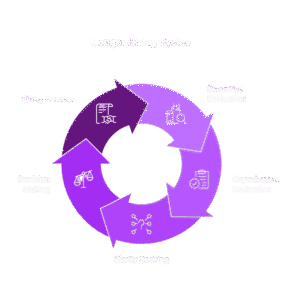
One major shift in executive hiring is that experienced leaders are evaluating organizations just as aggressively as organizations evaluate them.
Senior candidates increasingly want clarity on:
- Board alignment
- Decision-making freedom
- Succession expectations
- Cultural realities inside leadership teams
- Whether the company genuinely wants transformation or only talks about it publicly
This changes the entire hiring dynamic.
The strongest executives are often less influenced by compensation and more interested in whether the company environment will actually allow them to succeed.
That is one reason executive hiring processes are taking longer now.
Both sides are trying to measure risk.
Leadership Reputation Now Extends Beyond Performance
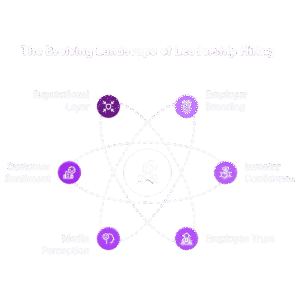
Leadership hiring has also become more sensitive because executives now carry public reputations far beyond business performance.
A senior hire today can influence:
- Employer branding
- Investor confidence
- Employee trust
- Media perception
- Customer sentiment
Past leadership behavior, public statements, cultural reputation, and online visibility are all being examined more closely than before.
Companies are no longer asking only: “Can this person run the business?”
They are also asking: “What does this leader signal to employees, investors, and the market the moment they join?”
That reputational layer has made executive hiring slower and far more cautious.
What Smarter Companies Are Starting To Do Differently
Some companies are realizing that executive hiring needs to become less performative and more operational.
Instead of getting impressed only by polished personalities and big brands, they are paying closer attention to:
- How leaders handled failed decisions
- Whether strong teams stayed under them
- How they managed internal disagreements
- Whether they built independent leaders or created dependency around themselves
Interview processes are changing too.
More companies are testing executives through unclear scenarios, conflicting priorities, and operational trade-offs to understand how they think under pressure — not just how confidently they speak. Smart organizations are spending more time on executive integration because even strong leaders fail quickly when expectations, authority, and alignment are unclear from the start.