
Most hiring processes are built on one assumption: the person you interview is the person who shows up to work. That assumption no longer holds up the way it used to. Resumes are exaggerated more boldly. Interviews are sometimes given by someone other than the candidate. And video calls, the thing companies trust most, are now the easiest thing to fake. None of this means hiring has to slow down. It means the trust has to be rebuilt differently.
Careerfishing Is Candidates Testing the Waters.
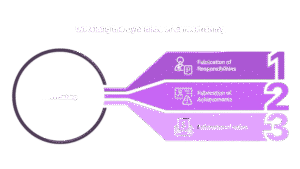
Careerfishing is what happens when a candidate fabricates large parts of their story, not small exaggerations, but invented responsibilities, achievements that never happened, or explanations for gaps that don’t hold up under any real scrutiny.
The reason this works so often isn’t that candidates are unusually bold. It’s that most of them have correctly figured out that nobody on the other end is going to push back. The story doesn’t need to be airtight. It just needs to sound plausible to someone who isn’t really checking.
Proxy Interviews Have Become a Side Business.
Somewhere along the line, “I’ll help you with your interview” turned into an actual service, with pricing depending on how technical or senior the role is.
The person being interviewed is real. The voice, the face, the LinkedIn profile, all real. What’s not real is who’s actually answering the questions. And because the rest of the candidate’s identity checks out, this is one of the hardest forms of fraud to catch using traditional checks.
What’s Actually Happening on the Other Side of the Screen.

Picture a candidate on a video call, answering smoothly, maintaining eye contact with the camera. Here’s what the camera isn’t showing: a second screen just out of frame, running a tool that’s quietly transcribing every question and suggesting answers in real time.
Or a separate tab generating code for a “live” coding round, which the candidate then retypes a few seconds later, pausing just long enough to look like they’re thinking it through.
There’s also a version where the candidate isn’t doing the thinking at all. Someone else is feeding answers through an earpiece, and the person on screen is essentially repeating what they hear, sometimes with a slight, telltale lag. If an answer sounds slightly too rehearsed, or there’s a strange pause before fairly simple questions, that gap might not be nerves. It might be someone else’s voice arriving a second late.
None of this needs deepfakes or stolen identities. The face is real, the voice is real, the person is genuinely there. They’re just not the one doing the work. And because none of it shows up on a recorded webcam feed, it’s nearly invisible after the fact.
What Companies Can Actually Do.
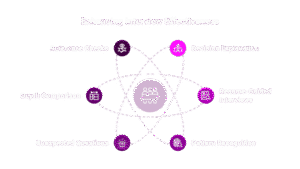
Ask candidates to explain decisions, not outcomes: Most people can memorize a project summary. Far fewer can explain why certain decisions were made, what alternatives were considered, and what trade-offs were involved. People who did the work usually remember the reasoning. People who learned the story often don’t.
Use the candidate’s own resume as the interview guide: Instead of covering ten topics superficially, spend more time on one project. Ask what changed midway through, what went wrong, or what they would do differently today. The deeper you go, the harder it becomes to rely on rehearsed answers.
Trust patterns, not individual signals. A delayed answer, a camera issue, or an awkward pause doesn’t mean anything on its own. The strongest indicator is usually a collection of small inconsistencies that keep appearing throughout the process rather than one dramatic red flag.
Change direction unexpectedly: Prepared candidates expect familiar questions. Ask them to connect two earlier answers, apply their experience to a new scenario, or explain something from a different angle. Genuine experience tends to hold up when the conversation moves off script.
Compare the depth, not the answer: Most interviewers focus on whether an answer sounds correct. A better approach is to look at how much detail a candidate can provide when challenged. Real experience usually becomes more specific. Fabricated experience often becomes more generic.
Pay attention to what candidates volunteer: Experienced professionals rarely tell perfectly polished stories. They talk about mistakes, compromises, failed approaches, and lessons learned. Candidates who only discuss successes sometimes know the outcome, but not the reality behind it.
Stop treating references as a box-ticking exercise: Instead of only confirming employment details, ask what kind of work the person handled independently, where they needed support, and what responsibilities their manager would trust them with. Those answers are often more revealing than dates and job titles.
Why This Keeps Getting Worse, Not Better
Every one of these tactics gets easier and cheaper every year. The tools used for deepfakes, and proxy interviews are improving fast, and the people offering “interview as a service” are getting better at avoiding detection. Meanwhile, most companies haven’t changed their interview process in years. The gap between how good the fraud has gotten and how outdated the verification process is, is exactly why this is a concern rather than just an occasional bad hire.